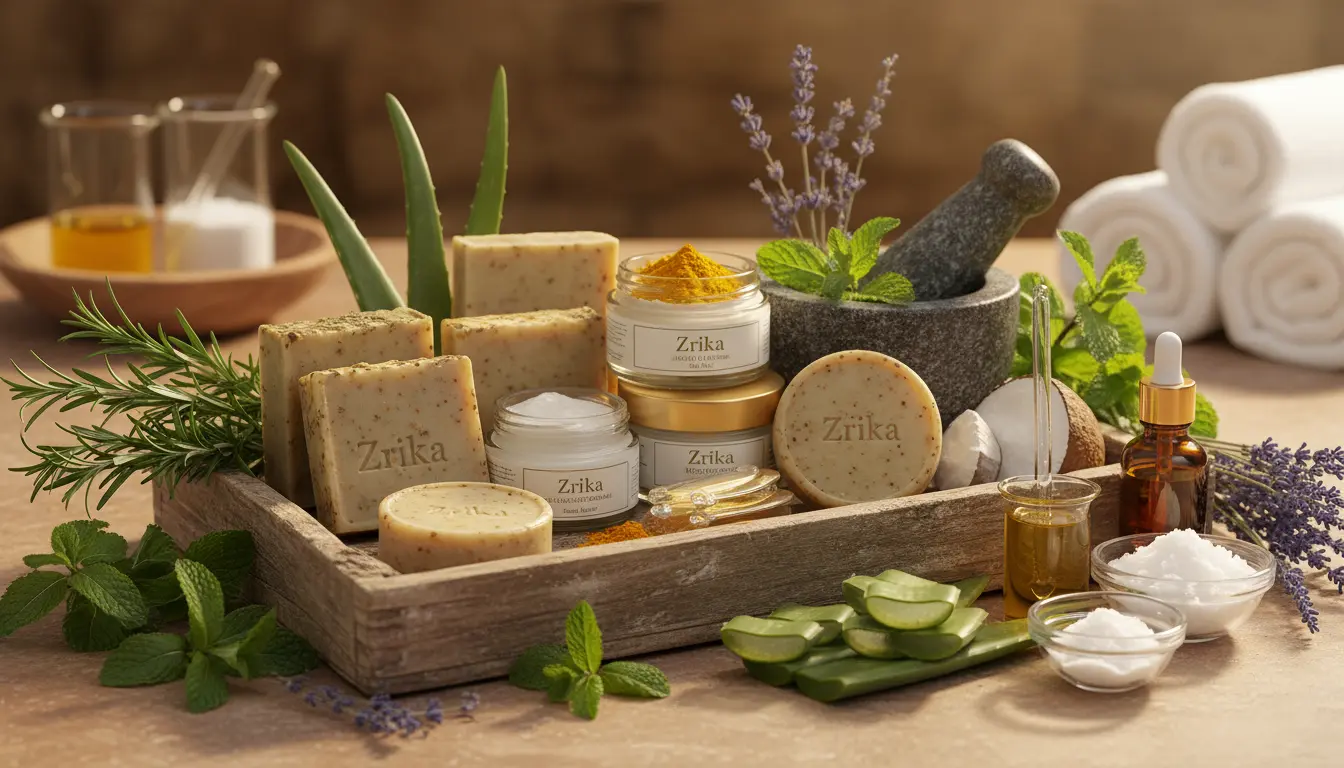
A customer once brought us a yellowed recipe card from her grandmother. Written in faded ink: “Turmeric, honey, sandalwood paste. Apply weekly for bride’s glow.”
“My grandmother had the most beautiful skin,” she said. “Everyone asked her secret. It wasn’t a secret—it was this.” She tapped the card. “But when I tried making it myself, it was messy, inconsistent, and I couldn’t get the ratios right.”
She wanted the wisdom without the guesswork. The tradition without the trial-and-error.
That’s exactly what we’ve spent years perfecting at Zrika Bodycare: taking ancient herbal beauty remedies that have worked for centuries and formulating them with modern precision. Not replacing tradition with science, but combining both.
Here are 9 powerful ways these time-tested botanicals can transform your skin—backed by both ancestral knowledge and modern research.
The Problem: We Forgot What Actually Works
Somewhere between “miracle ingredient of the month” and “clinical-grade formulations,” we lost touch with something important: plants have been healing skin for thousands of years.
Your ancestors didn’t have retinol or hyaluronic acid. They had turmeric, neem, sandalwood, aloe. And somehow, their skin thrived.
Why did we abandon this wisdom?
The beauty industry convinced us that “advanced” means synthetic. That “scientific” means laboratory-created. That “effective” requires unpronounceable ingredients.
But a 2021 study in Journal of Ethnopharmacology analyzing traditional Ayurvedic skincare ingredients found that many contain compounds just as effective as modern synthetic alternatives—with fewer side effects and better skin tolerance.
The truth: Natural ingredients for skincare aren’t “old-fashioned” or “less effective.” They’re time-tested, multi-generational proof that works with your skin’s biology rather than overriding it.
9 Ancient Herbal Secrets That Modern Science Validates
1. Turmeric: The Golden Glow (Not Just Hype)
Your grandmother wasn’t wrong about turmeric.
What traditional use taught us: Indian brides used turmeric paste for weeks before weddings to achieve radiant, even-toned skin. It wasn’t superstition—it was observation over generations.
What modern science confirms: Turmeric contains curcumin, a compound with documented anti-inflammatory and antioxidant properties. Research in Phytotherapy Research (2020) found curcumin reduces melanin production (helping with hyperpigmentation) and decreases inflammation markers in skin by up to 40%.
How we use it at Zrika: We incorporate turmeric extract in specific formulations, carefully balanced to provide benefits without staining skin. The key is concentration—too little does nothing, too much creates yellow tint. Traditional recipes didn’t have precise measurements; we do.
Realistic expectations: Won’t erase deep pigmentation overnight. Will gradually even tone and reduce inflammation over 6-8 weeks with consistent use. Works best for mild hyperpigmentation, post-inflammatory marks, and general dullness.
2. Neem: Ancient Antibacterial (Before Antibiotics Existed)
Neem has been used in Ayurvedic medicine for over 4,000 years for skin conditions.
Traditional wisdom: Neem leaves were crushed into paste for treating infections, rashes, and what we now call acne. Village healers knew neem “purified” skin.
Modern validation: Neem contains nimbidin and nimbin—compounds with proven antibacterial, antifungal, and anti-inflammatory properties. A 2019 study in Skin Pharmacology and Physiology found neem extract effective against acne-causing bacteria (P. acnes) without the antibiotic resistance concerns of conventional treatments.
How it works in natural skincare: Unlike harsh acne treatments that strip skin, neem targets bacteria while supporting barrier function. It doesn’t just kill—it balances.
At Zrika: We use neem extract in formulations for oily and acne-prone skin. It’s gentle enough for daily use but effective enough to see results within 3-4 weeks.
Important note: Some people are sensitive to neem. Always patch test. If you have severe cystic acne, you need dermatological care—herbal beauty remedies are excellent for mild to moderate acne and maintenance, not medical-grade treatment.
3. Sandalwood: The Cooling Remedy Your Skin Craves
Sandalwood isn’t just about scent—though that matters too.
Ancestral use: Applied as paste to cool inflamed skin, reduce redness, and create smooth texture. Used extensively in Ayurvedic skincare for “pitta” imbalances (heat-related skin issues).
Scientific backing: Sandalwood contains α-santalol, which has documented anti-inflammatory effects. Research in Archives of Dermatological Research (2018) showed sandalwood oil reduced skin inflammation markers by 33% and improved barrier function.
Aromatherapy bonus: The scent directly impacts your limbic system (emotional brain). Studies show sandalwood reduces cortisol and promotes calm—your skincare ritual becomes stress relief.
How we incorporate it: Sandalwood essential oil in specific formulations for sensitive or reactive skin. The cooling, calming effect is noticeable within minutes, but cumulative anti-inflammatory benefits develop over weeks.
4. Aloe Vera: The Desert Miracle (Not Just for Sunburns)
Aloe has 6,000 years of documented use in ancient Egypt, Greece, India, and China.
Traditional applications: Healing wounds, burns, rashes, and maintaining skin hydration in harsh climates. Cleopatra supposedly used aloe daily.
Modern research: Aloe contains over 75 active compounds including vitamins, enzymes, amino acids, and polysaccharides. A 2021 meta-analysis in Journal of Clinical and Aesthetic Dermatology found aloe effective for wound healing, moisturization, and reducing inflammation.
What makes it special: Aloe’s molecular structure allows deep penetration without greasiness. It hydrates while delivering healing compounds to deeper skin layers.
In our formulations: Fresh aloe extract in body creams provides immediate cooling relief and long-term hydration support. It’s particularly effective when applied to damp skin post-shower—absorption increases significantly.
5. Shea Butter: African Gold (Tested by Generations)
Shea butter has been used in Africa for centuries for skin protection and healing.
Traditional knowledge: Women in Ghana and Burkina Faso used shea butter to protect skin from harsh sun and dry winds, heal scars, and maintain elasticity during pregnancy.
Scientific validation: Shea butter contains vitamins A, E, and F, essential fatty acids, and anti-inflammatory compounds (lupeol, cinnamates). Research shows it improves barrier function, increases collagen production, and provides UV protection (SPF 3-4, not sufficient alone but contributory).
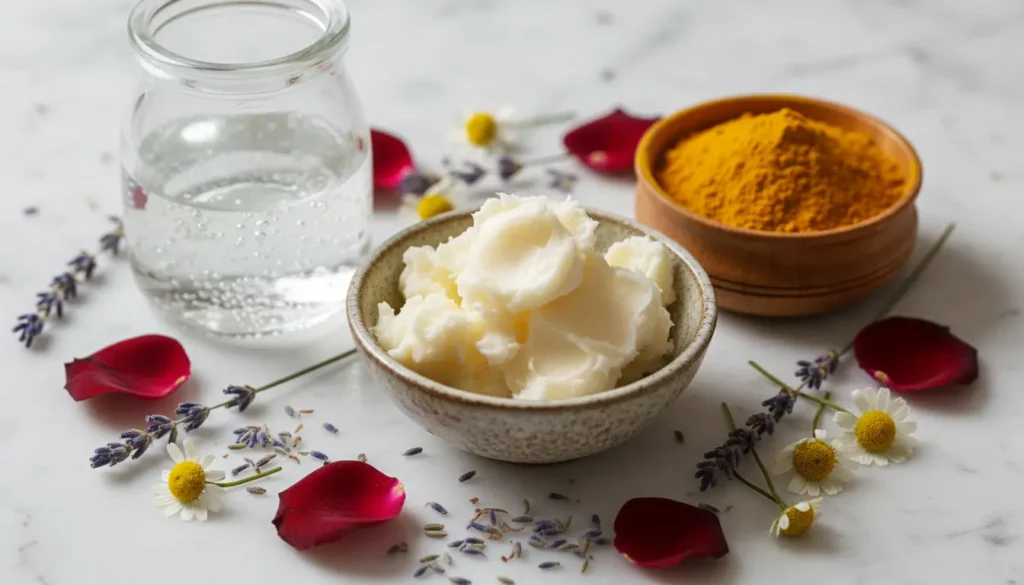
Why quality matters: Refined shea butter (bright white, no scent) has been processed and stripped of most beneficial compounds. Unrefined shea butter (creamy yellow, nutty scent) retains everything that makes it effective.At Zrika: We exclusively use Grade A unrefined shea butter sourced from women’s cooperatives through fair-trade partnerships. It costs 3-5x more than refined, but the efficacy difference is dramatic. In our testing, unrefined shea maintained skin hydration 43% better at 8 hours compared to refined versions.
6. Coconut Oil: Tropical Tradition (Used Correctly)
Coconut oil is controversial in skincare—and both sides have valid points.
Traditional use: Tropical cultures used coconut oil for everything—hair, skin, healing. It was (and is) a staple.
The controversy: Coconut oil has a comedogenic rating of 4 out of 5 (likely to clog pores). Many people break out from it.
The nuance: Pure coconut oil applied directly to face is problematic for many people. But coconut oil as ONE ingredient in a balanced formulation works differently. The fatty acids (especially lauric acid) have antimicrobial properties. When properly formulated with other oils, coconut contributes benefits without overwhelming pores.
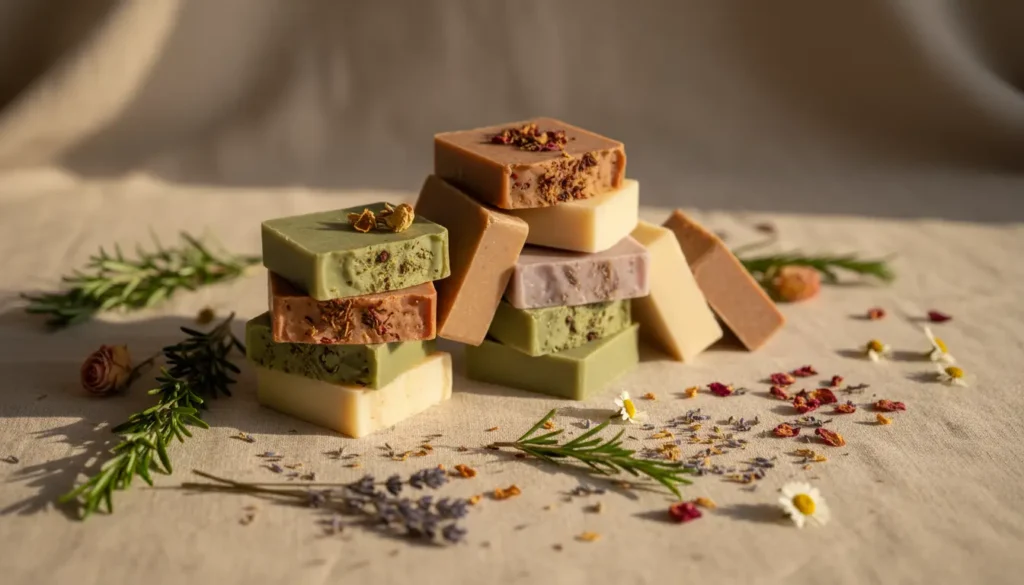
How we use it: In soap-making, coconut oil creates rich lather and cleansing action. The saponification process transforms it chemically—it’s not the same as applying raw oil to skin. In body creams, we use minimal amounts blended with lighter oils like jojoba or grapeseed for balance.
Lesson: Context matters. A traditional ingredient used wisely differs from applying it indiscriminately.
7. Honey: Nature’s Humectant (And Healer)
Honey has been used medicinally for at least 8,000 years.
Ancient wisdom: Egyptian, Greek, and Ayurvedic texts describe honey for wound healing, skin softening, and acne treatment.
Modern understanding: Honey is hygroscopic (attracts and retains moisture), has natural antimicrobial properties from hydrogen peroxide production, contains antioxidants, and has a slightly acidic pH that supports skin’s acid mantle.
Clinical evidence: A 2020 review in Molecules journal documented honey’s effectiveness for wound healing, antibacterial action, and skin barrier support.
Practical application: Raw honey is messy and sticky for daily use. We incorporate honey extract in formulations where it provides humectant benefits without impracticality. For occasional intensive treatment, raw honey masks work beautifully—apply for 15-20 minutes, rinse with warm water.
8. Rose: Beauty and Function (Not Just Romance)
Roses have been used in skincare across Middle Eastern, Indian, and European traditions for millennia.
Traditional use: Rose water for toning, rose oil for anti-aging, rose petals in baths for softening skin.
Scientific basis: Rose contains vitamins A, C, E, and essential fatty acids. Rose oil has documented anti-inflammatory and antimicrobial properties. Rose water helps maintain skin pH and provides mild astringent action without over-drying.
Emotional component: Rose scent triggers release of dopamine and serotonin—happiness neurotransmitters. Your skincare ritual becomes mood elevation.
In luxury natural soaps for daily self-care: We use rose essential oil and rose petal powder in specific formulations. The scent creates aromatherapy benefits while rose compounds provide antioxidant protection and mild anti-aging support.
9. Holy Basil (Tulsi): The Adaptogen Your Skin Needs
Holy basil has been sacred in Ayurvedic medicine for over 5,000 years.
Traditional role: Used for “purification”—balancing doshas, reducing inflammation, protecting against environmental stress.
Modern interpretation: Holy basil is an adaptogen—helps body adapt to stress. It contains ursolic acid and eugenol with documented anti-inflammatory, antioxidant, and antimicrobial properties.
Unique benefit: Research in Journal of Ayurveda and Integrative Medicine (2022) found holy basil extract reduces cortisol-induced skin damage. Since stress directly impacts skin (acne, inflammation, barrier breakdown), adaptogens that reduce stress markers benefit skin directly.
How we use it: Holy basil extract in formulations for stressed, reactive, or urban skin dealing with pollution. It’s particularly effective for people whose skin issues correlate with stress levels.

Why Combining Ancient Wisdom With Modern Formulation Works Better
Ancient wisdom provides: Thousands of years of human testing across diverse populations and climates. Observation of what actually works over generations. Understanding of how ingredients interact with skin in real-world conditions.
Modern formulation adds: Precise concentrations for optimal efficacy without side effects. Stability testing so products last months without separating or spoiling. Understanding of WHY these ingredients work at molecular level. Quality control and safety testing. Convenient, user-friendly formats.
Together, they create: Herbal beauty remedies that honor tradition while meeting modern standards for safety, efficacy, and convenience.
At Zrika, we research traditional uses, then formulate with precision. We test pH levels, preservation, texture, absorption. We verify that the benefits your ancestors knew about actually manifest in our products.
This isn’t “ancient OR modern”—it’s “ancient AND modern.”
What We Got Wrong (And What We Learned)
Mistake #1: Assuming Traditional Equals Better for Everything
Early formulations tried to replicate traditional recipes exactly. Some worked beautifully. Others separated, spoiled quickly, or were impractical for daily use.
The fix: We honor traditional ingredients and wisdom but adapt preparation for modern life. You get the benefits without spending hours grinding roots or mixing pastes.
Mistake #2: Not Educating About Realistic Timelines
Initial marketing suggested dramatic transformation quickly because traditional texts described remarkable results. What we didn’t account for: those traditional remedies were often used for months or years consistently.
The reality: Herbal beauty remedies work gradually and cumulatively. Initial softness happens within days. Visible changes in tone, texture, or concerns typically take 6-8 weeks. Anyone promising instant miracles is overselling—whether using ancient or modern ingredients.
Mistake #3: Ignoring Individual Variation
We assumed that because something worked traditionally for many people, it would work for everyone. Not true.
What we learned: Even time-tested ingredients cause reactions in some individuals. Turmeric can irritate. Neem can sensitize. Rose can trigger allergies. Natural ingredients for skincare are generally gentler than synthetics, but natural doesn’t mean universally safe. We now emphasize patch testing and offer multiple formulation options.
How to Actually Incorporate Herbal Skincare Into Your Routine
Step 1: Start With One Herbal Product
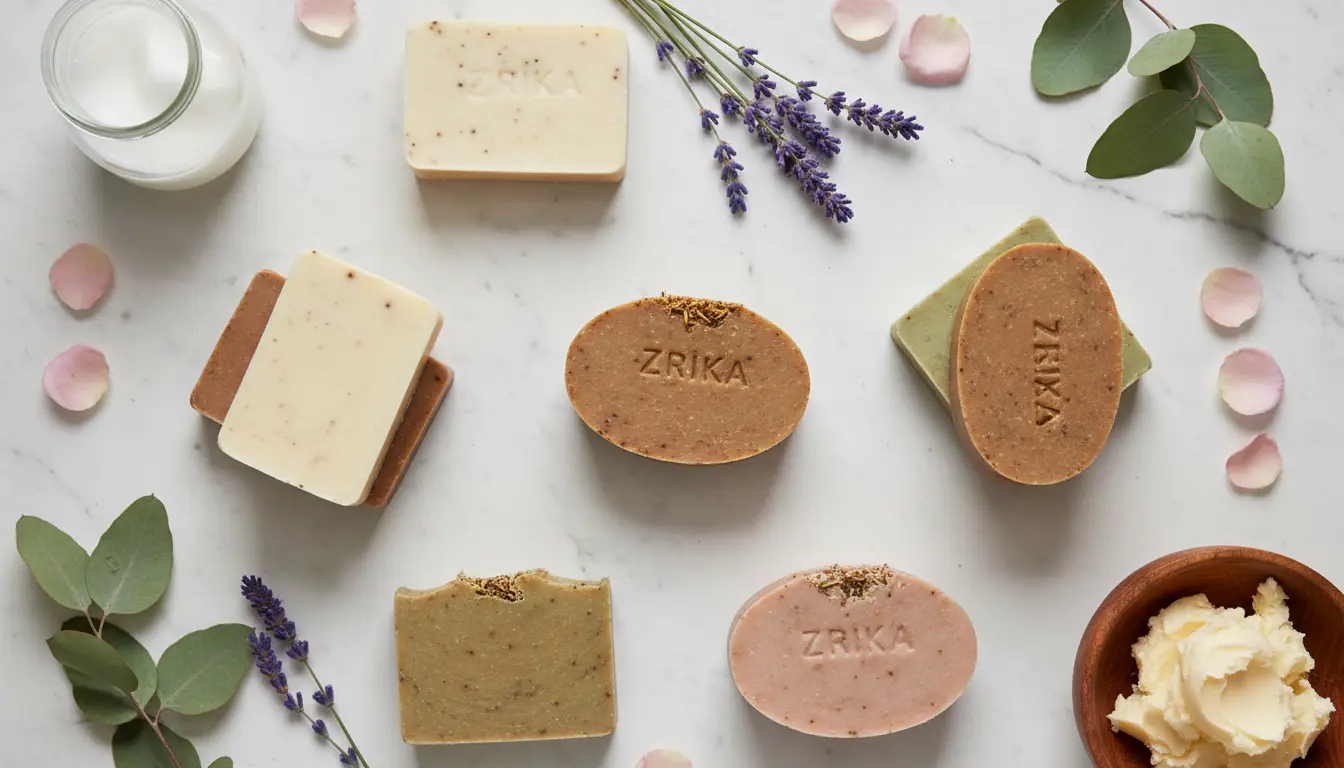
Don’t overhaul everything immediately. Choose one product—we recommend luxury natural soaps for daily self-care since cleansing is foundational.
Use consistently for 3 weeks before evaluating. Your skin needs time to adjust and show response.
Step 2: Pay Attention to How Your Skin Responds
Track changes:
- Does skin feel softer immediately after use?
- Is irritation increasing or decreasing?
- Are specific concerns (dryness, oiliness, breakouts) improving?
- How does your skin feel by evening?
Your skin’s response tells you more than any marketing claim.
Step 3: Build Holistic Beauty Rituals Gradually
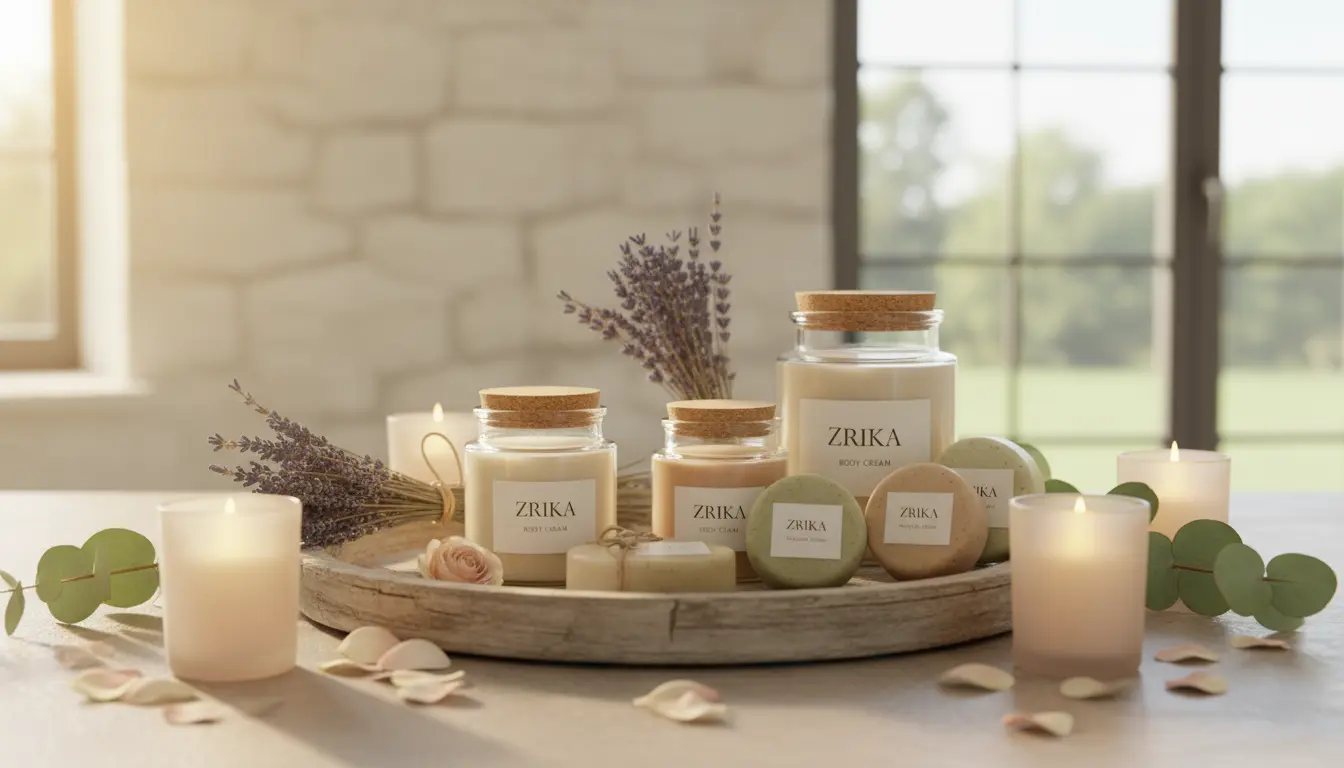
Once your cleanser works well, add body cream with complementary herbs. For example:
- Turmeric soap → Shea butter cream (brightening and moisturizing)
- Neem soap → Rose cream (purifying and balancing)
- Sandalwood soap → Aloe cream (cooling and calming)
Complementary ingredients amplify benefits.
Step 4: Be Patient and Consistent
Remember: your grandmother didn’t use these remedies occasionally. She used them religiously for years.
Modern life makes consistency harder. But even imperfect consistency (5-6 days weekly) beats perfect inconsistency (once monthly intensive treatments).
Frequently Asked Questions
- Are Zrika products with herbal ingredients safe for sensitive skin?
Yes, when properly formulated. Our herbal formulations are designed for gentle, consistent use with hypoallergenic properties. All natural ingredients for skincare are dermatologically tested and free from harsh chemicals. However, “natural” doesn’t guarantee non-allergenic—some people react to botanical ingredients. We recommend patch testing, especially if you have known sensitivities. Our unscented, minimal-ingredient versions have highest success rates with truly reactive skin. - Can you use luxury natural soaps daily without over-drying?
Absolutely, when formulated correctly. Unlike commercial soaps that strip with synthetic detergents, our luxury natural soaps for daily self-care are made through traditional saponification retaining glycerin (natural moisturizer). They clean effectively while preserving your skin’s protective oils. Most people notice their skin feels clean but not tight—which is exactly how cleansed skin should feel. Daily use supports healthy barrier function rather than damaging it. - How long before you see actual results from herbal beauty remedies?
Timeline varies by concern. Immediate softness and reduced irritation often happen within days as you stop assaulting skin with harsh ingredients. Texture improvements show around week 3-4. More significant changes like tone evening, reduced breakouts, or improved hydration typically take 6-8 weeks of consistent use. Herbal beauty remedies work with your skin’s natural renewal cycle (28-40 days), not against it. Patience and consistency create lasting results. - Are these products genuinely eco-friendly and sustainably sourced?
Yes, sustainability is foundational, not marketing. Our herbal ingredients are ethically sourced—shea butter from fair-trade women’s cooperatives, botanicals from sustainable farms. Packaging is recyclable or compostable. Production uses traditional cold-process methods that minimize energy consumption. We support sustainable beauty routines through verified practices, not just claims. You can trace our supply chain because transparency matters. - Can herbal remedies actually help with acne, dullness, or aging concerns?
Yes, for mild to moderate concerns with realistic expectations. Neem and tea tree target acne-causing bacteria without antibiotic resistance concerns. Turmeric and rose brighten dull skin over 6-8 weeks. Antioxidants from herbs (holy basil, green tea) provide gentle anti-aging support. However, herbal beauty remedies work gradually compared to aggressive chemical treatments. For severe acne or significant aging concerns, combine natural skincare with dermatological care for best results. - How do herbal ingredients compare to synthetic active ingredients?
Different mechanisms, often comparable results with better tolerance. Synthetic retinol is more aggressive but also more irritating. Natural alternatives like bakuchiol or rosehip oil provide gentler anti-aging. Synthetic hydroquinone bleaches effectively but has safety concerns. Natural turmeric and licorice root brighten more gradually but safely. Natural ingredients for skincare typically work with your skin’s biology rather than forcing rapid change. Trade-off: slower but sustainable results with fewer side effects. - Are children safe using herbal skincare products?
Generally yes for gentle formulations designed for all ages. Our mild herbal soaps and unscented body creams are safe for children’s sensitive skin. However, avoid products with strong essential oils or active botanicals like neem on very young children (under 2 years) without pediatrician approval. For kids, simpler formulations with fewer ingredients are ideal. Always patch test first and watch for any reactions. - Can you mix herbal Zrika products with conventional skincare?
You can, though optimal results come from complete natural routines. Using luxury natural soaps for daily self-care but conventional synthetic lotion means you’re still exposing skin to problematic ingredients. However, gradual transition works better for many people. Start with soap, then add natural body cream, then expand. Even partial natural routine is improvement over fully synthetic—just know that full transition maximizes benefits as your skin’s barrier repairs completely. - How should you store herbal skincare products for maximum freshness?
Natural products without aggressive synthetic preservatives require proper storage. Keep in cool, dry place away from direct sunlight and heat. Bathrooms with high humidity and temperature fluctuation aren’t ideal for long-term storage—keep backup products elsewhere. Once opened, use body creams within 6-12 months. Soaps stored properly (draining dish, dry between uses) last indefinitely before use and 4-8 weeks during use. Natural preservatives (vitamin E, rosemary extract) maintain stability, but natural means respecting shelf life. - Where can you purchase authentic Zrika herbal beauty products?
All products available exclusively at Zrika Bodycare with complete ingredient lists, sourcing information, and usage guides. We offer sample sizes (1oz) for testing before full-size commitment. 30-day satisfaction guarantee because your trust matters. Free shipping over ₹999 with sustainable packaging options. We provide detailed information about each herb used, traditional applications, and modern formulation—because informed customers make better choices and get better results.
Your Path Forward: Rediscovering Ancestral Wisdom
You don’t need to abandon modern life to benefit from ancient wisdom. You just need products that bridge both worlds.
This week: Try one herbal product. Pay attention to how it makes your skin feel—not just how it looks, but how it FEELS. Comfortable? Nourished? Calm?
Next month: Build your holistic beauty rituals with complementary herbal products. Let your routine become a moment of connection—to tradition, to nature, to yourself.
Long-term: Watch how your skin responds when you work WITH its biology instead of AGAINST it. Notice how using products aligned with thousands of years of human experience feels different from chasing the latest synthetic trend.
Your ancestors knew something valuable. We haven’t lost that knowledge—we’ve just refined it.
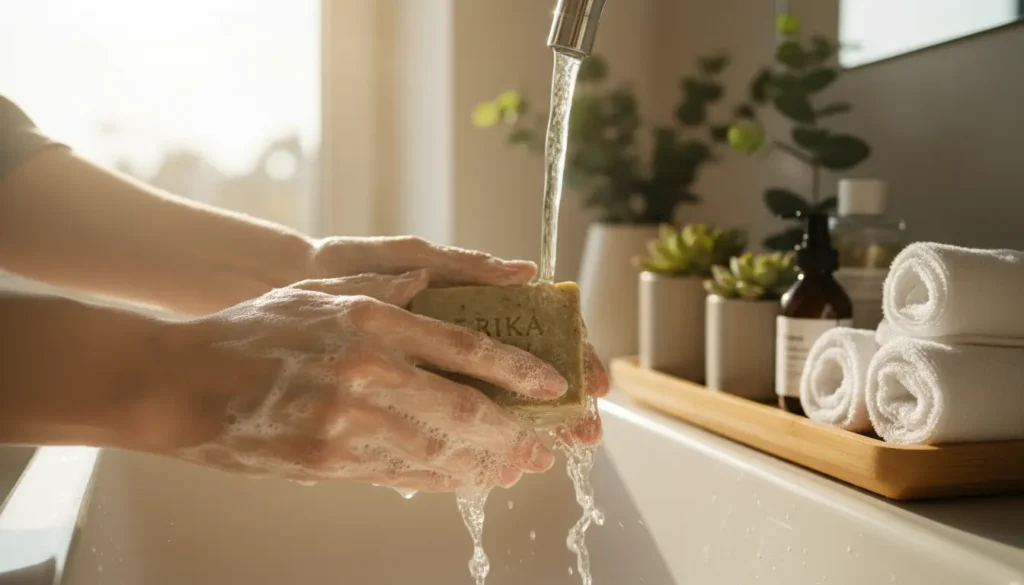
Ready to Experience Herbal Beauty That Actually Works?
Explore the complete Zrika Bodycare collection where ancient herbal beauty remedies meet modern formulation excellence:
✨ Natural ingredients for skincare backed by both tradition and science
✨ Luxury natural soaps for daily self-care with time-tested botanicals
✨ Rich body creams supporting holistic beauty rituals and barrier health
✨ Complete transparency—every herb sourced and explained
✨ Traditional wisdom refined with modern precision
✨ Ethically sourced, sustainably produced, cruelty-free
✨ Sample sizes for risk-free exploration
✨ 30-day satisfaction guarantee
✨ Free shipping over ₹999
Your grandmother’s skincare wisdom was right. We’ve just made it convenient, consistent, and precisely formulated for modern life.
Discover Herbal Beauty Secrets
About Zrika Bodycare
At Zrika, we honor ancestral skincare wisdom while applying modern formulation science. Every product combines:
- Traditional herbal knowledge from Ayurvedic and global traditions
- Modern precision in concentrations, pH, and preservation
- Artisan craftsmanship through small-batch cold-process methods
- Ethical sourcing with fair-trade partnerships
- Complete transparency about ingredients and their origins
We believe the best skincare doesn’t choose between ancient wisdom and modern science—it honors both.
Disclaimer: This article shares insights on herbal skincare based on traditional use and available research. It doesn’t replace medical or dermatological advice. For persistent or severe skin concerns, consult appropriate professionals.